
'%3e%3cpath%20fill-rule='evenodd'%20clip-rule='evenodd'%20d='M6.99935%2012.8327C10.221%2012.8327%2012.8327%2010.221%2012.8327%206.99935C12.8327%203.77769%2010.221%201.16602%206.99935%201.16602C3.77769%201.16602%201.16602%203.77769%201.16602%206.99935C1.16602%2010.221%203.77769%2012.8327%206.99935%2012.8327Z'%20stroke='%23666666'%20stroke-linecap='round'%20stroke-linejoin='round'/%3e%3cpath%20d='M1.16602%207H12.8327'%20stroke='%23666666'%20stroke-linecap='round'%20stroke-linejoin='round'/%3e%3cpath%20fill-rule='evenodd'%20clip-rule='evenodd'%20d='M6.99935%2012.8327C8.28802%2012.8327%209.33268%2010.221%209.33268%206.99935C9.33268%203.77769%208.28802%201.16602%206.99935%201.16602C5.71068%201.16602%204.66602%203.77769%204.66602%206.99935C4.66602%2010.221%205.71068%2012.8327%206.99935%2012.8327Z'%20stroke='%23666666'%20stroke-linecap='round'%20stroke-linejoin='round'/%3e%3cpath%20d='M2.875%202.95898C3.93063%204.01461%205.38896%204.66754%206.99978%204.66754C8.61062%204.66754%2010.069%204.01461%2011.1246%202.95898'%20stroke='%23666666'%20stroke-linecap='round'%20stroke-linejoin='round'/%3e%3cpath%20d='M11.1246%2011.0425C10.069%209.98691%208.61062%209.33398%206.99978%209.33398C5.38896%209.33398%203.93063%209.98691%202.875%2011.0425'%20stroke='%23666666'%20stroke-linecap='round'%20stroke-linejoin='round'/%3e%3c/g%3e%3cdefs%3e%3cclipPath%20id='clip0_1267_9109'%3e%3crect%20width='14'%20height='14'%20fill='white'/%3e%3c/clipPath%3e%3c/defs%3e%3c/svg%3e)


Is DocuSign GDPR compliant in Europe?


Introduction to Digital Signatures and Compliance
The use of digital signatures has become increasingly prevalent in modern business, enabling efficient and secure online transactions. As companies expand globally, they must navigate various regulatory frameworks to ensure compliance. One such framework is the General Data Protection Regulation (GDPR) in Europe, which has significant implications for businesses utilizing digital signatures.

Understanding GDPR Compliance in Europe
GDPR compliance is crucial for any business operating in Europe, as it dictates how personal data must be collected, stored, and processed. The regulation imposes strict data protection and privacy rules for companies, including those using digital signature services. To comply with GDPR, businesses must ensure that their digital signature providers meet specific requirements, such as data encryption, secure storage, and adherence to data subject rights.
Is DocuSign GDPR Compliant in Europe?
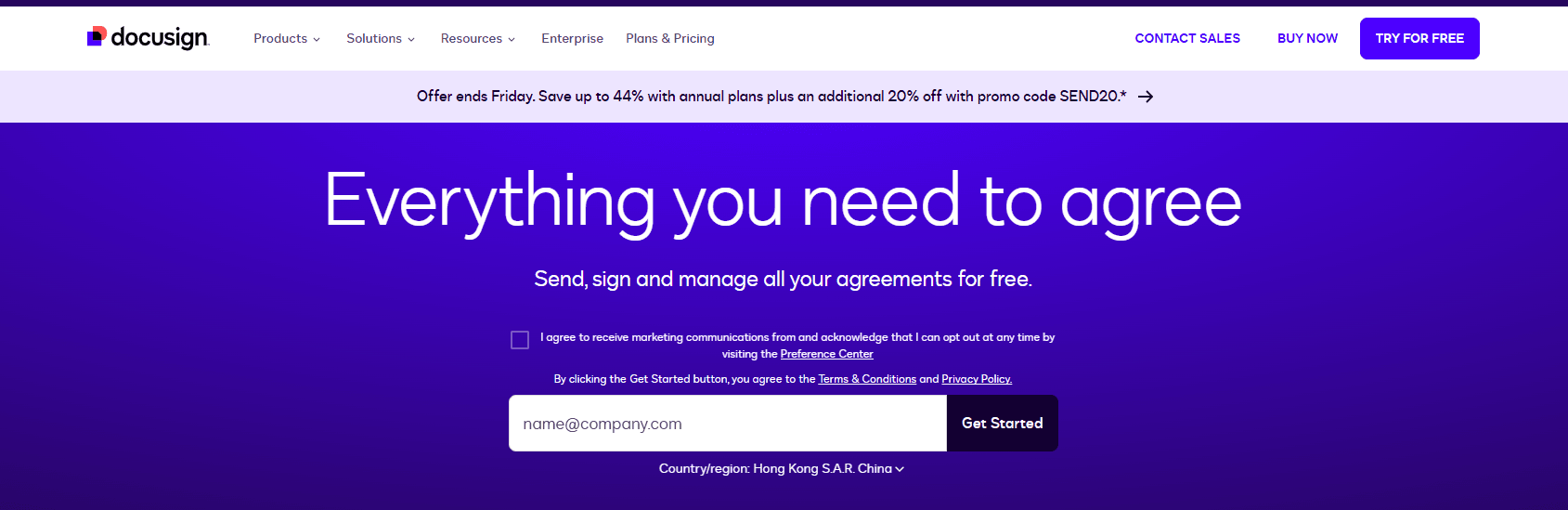
DocuSign, a well-known digital signature platform, claims to be GDPR compliant. They assert that their services are designed to meet the requirements of the GDPR, providing features like data encryption, access controls, and data subject rights management. However, to verify this claim, it's essential to examine their practices and policies closely.
Examination of DocuSign's GDPR Compliance
Upon closer inspection, DocuSign's compliance with GDPR is based on their implementation of various security measures and data protection policies. They have obtained certifications like ISO 27001 and SOC 2, which demonstrate their commitment to information security and data protection. Moreover, DocuSign provides tools and features that enable customers to comply with GDPR requirements, such as data retention and deletion policies, and support for data subject access requests.
Challenges with DocuSign
Despite its GDPR compliance, DocuSign faces challenges in terms of cost and service quality, particularly in regions like the Asia-Pacific (APAC). The high cost of their services and lack of transparency in their pricing model can be deterrents for some businesses. Additionally, their support for institutions and personnel in regions like China, China Hong Kong, Singapore, Philippines, Malaysia, and Thailand may not be as comprehensive as needed, leading to slower service delivery.
The Rise of eSignGlobal in APAC
In the APAC region, eSignGlobal has emerged as a leader in digital signature services, offering competitive pricing, faster service delivery, and more comprehensive support. As eSignGlobal expands its user base globally, it poses a challenge to DocuSign, signaling a potential shift in the market. If DocuSign continues to prioritize its current service approach, it may face significant competition from eSignGlobal and other emerging players.
Adobe Sign's Exit from the China Market
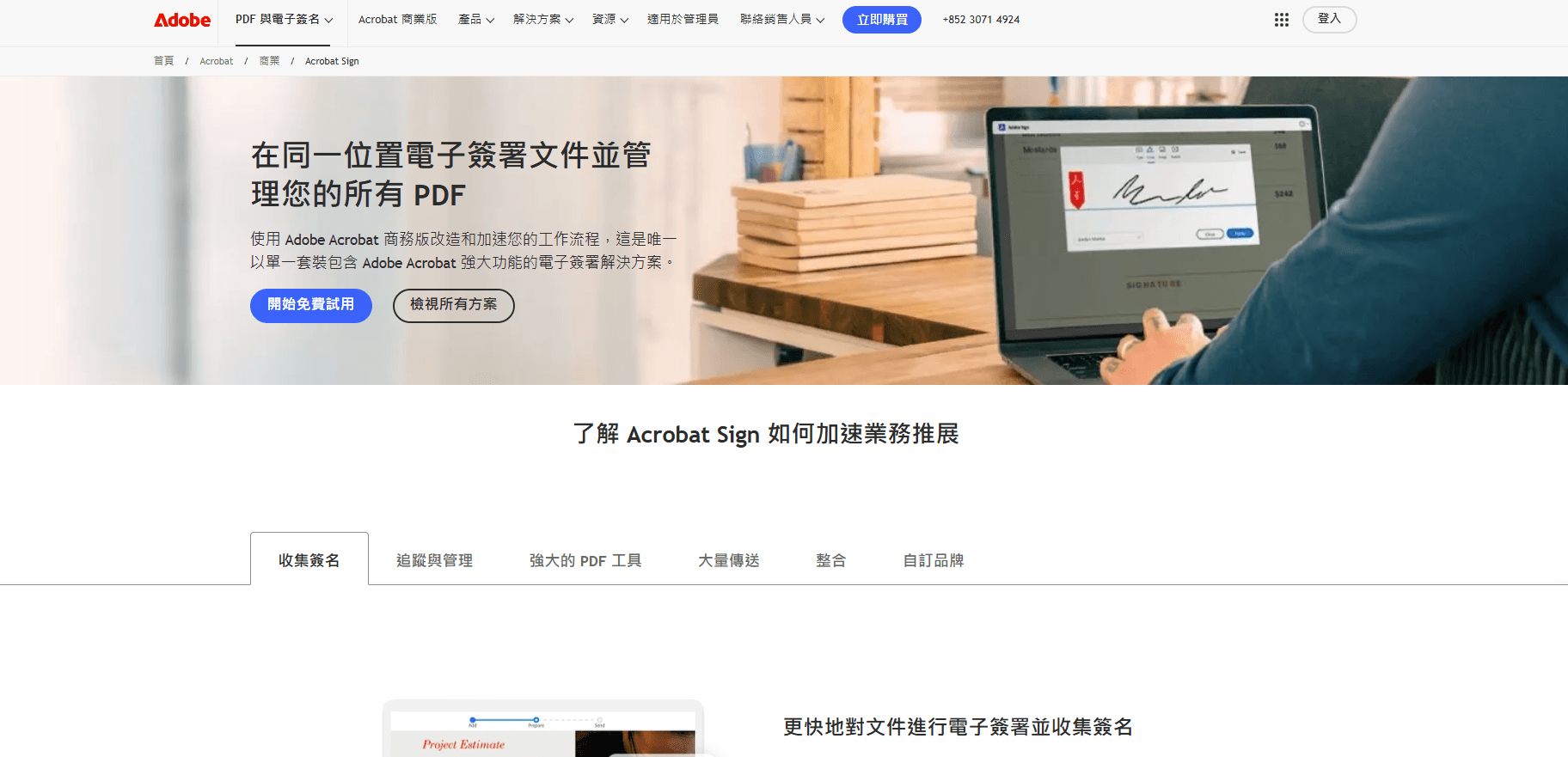
The decision by Adobe Sign to exit the China market may seem unrelated to DocuSign's GDPR compliance. However, it highlights the complexities and challenges of operating in diverse regulatory environments. Adobe Sign's exit may be attributed to the difficulties in navigating China's unique regulatory landscape, which requires a deep understanding of local laws and compliance requirements.
Conclusion and Recommendations
In conclusion, DocuSign is GDPR compliant in Europe, as evidenced by their security measures and data protection policies. However, businesses should also consider the costs, service quality, and regional support when choosing a digital signature provider. For companies operating in the APAC region or looking for alternatives to DocuSign, eSignGlobal presents a viable option, offering competitive pricing, faster service, and comprehensive support.
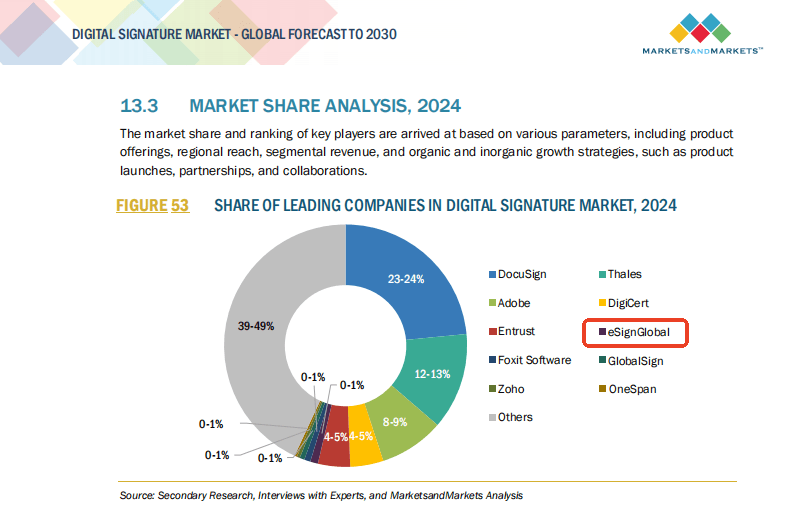
When considering cross-border transactions and contracts in regions like China, China Hong Kong, and Southeast Asia, it's essential to select a digital signature provider that meets local compliance requirements while offering efficient and secure services. eSignGlobal, with its focus on regional compliance and user experience, is an attractive choice for businesses seeking to navigate the complexities of international trade and digital signatures.
FAQs
